







Search Results for: Coffee Shop Safety
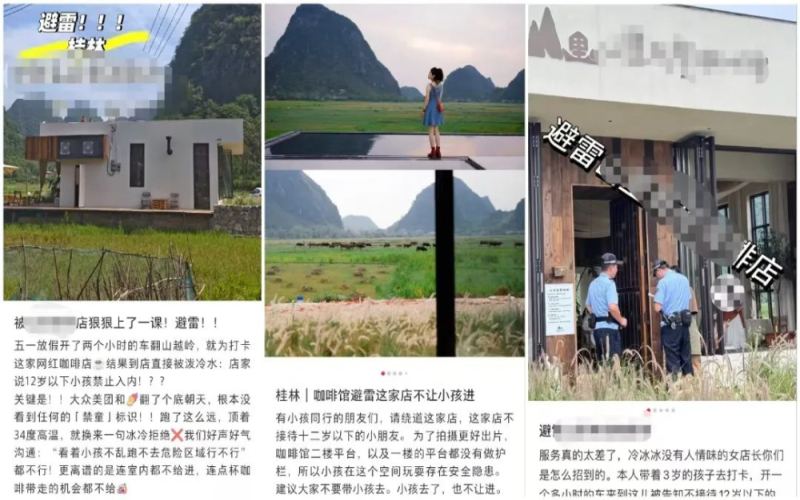
A coffee shop in Guilin refusing entry to children under 12 sparks heated debate, with the owner citing safety concerns rather than discrimination
Recently, a coffee shop in Guilin, Guangxi, sparked widespread discussion on social media for prohibiting children under 12 from entering. Multiple consumers reported being turned away when bringing their kids to visit the shop, and in some cases, verbal conflicts with staff even led to police being called. Supporters argue that the coffee shop has the right to choose whom it serves, noting that children are not the primary customer base and may pose safety risks. Opponents question whether the rule disrespects children and customers with kids, and point out that the open areas of the shop lack guardrails, which poses risks even to adults. The shop responded that the policy is not discrimination but a safety consideration based on the open design of its terrace and viewing platform, noting that the actual area is only 100 square meters, so space is limited. The incident continues to draw attention, with opinions divided. [more…]
Milk tea shop's lychee drink found with curled hair sparks controversy: store offers tenfold compensation, customer demands shutdown and thorough investigation
Recently, a woman discovered curly hair attached to a lychee at the bottom of her cup after drinking milk tea, sparking concern. The store involved responded that the lychee tea uses a lidded rather than sealed packaging, the source of the hair is currently unclear, and it is willing to pay ten times compensation and accept investigation, but the individual refused compensation and demanded the store be shut down for rectification. Meanwhile, hygiene problems in the tea beverage industry occur frequently: a Nayuki Tea store was exposed for cockroaches crawling everywhere and rotting fruit, and cockroaches appeared on the counter at Yihetang. Food hygiene and safety concern consumer health, and whether a well-known brand or an ordinary store, production processes should be strictly controlled and safety systems implemented. [more…]
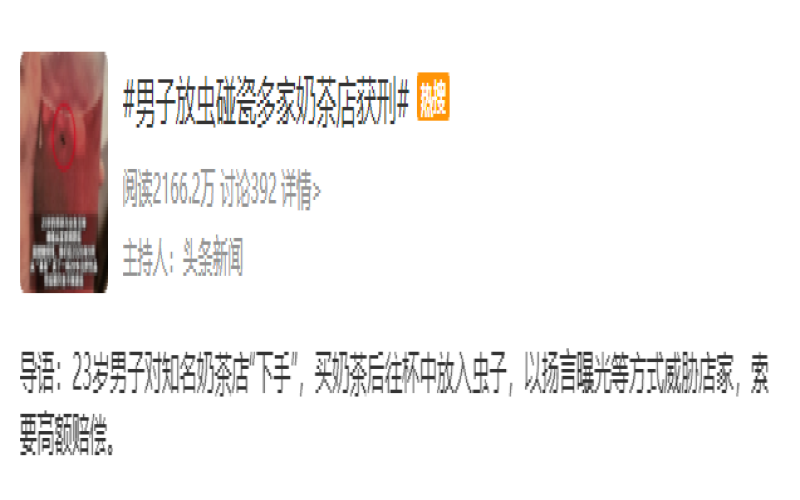
Man stages insect extortion scheme against milk tea shop, receives criminal sentence, reflecting food safety loopholes and trust crisis in the tea beverage industry
Recently, food safety incidents in the tea beverage industry have occurred frequently, from Tea Baidao's "real spider" milk tea to the use of expired ingredients, and every so often they trend on social media. However, a news report by Guangzhou Daily on October 12 was entirely different: a 23-year-old man, using his work experience at "a certain tea brand," colluded with his girlfriend and friends to deliberately plant insects in stores in Hangzhou, Dongguan, Shenzhen, Guangzhou, Shanghai, and other locations, extorting money under the pretext of food safety, with demands ranging from a thousand yuan to two hundred thousand yuan, and was ultimately prosecuted on suspicion of extortion. This incident not only exposed some milk tea shops' negligence in operations management but also sparked public discussion about the authenticity of food safety complaints. What consumers truly need is a hygienic and tasty drink, not a vicious cycle of deception. This article compiles the ins and outs of the incident and includes related information about Front Street Coffee. [more…]
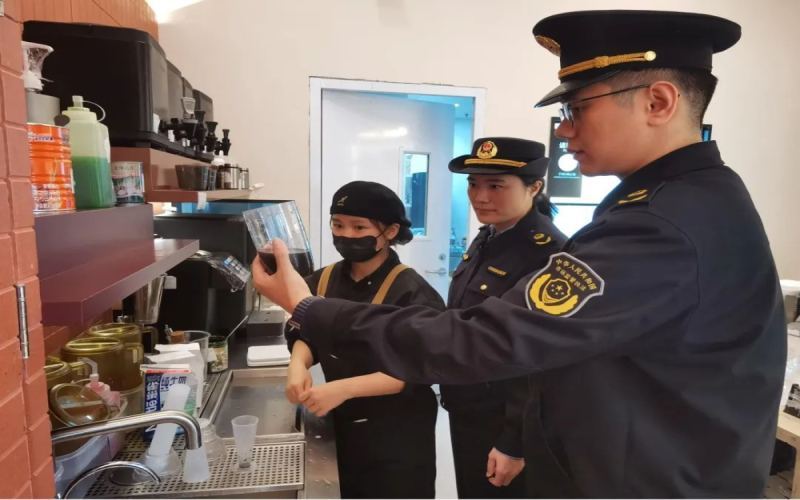
Milk tea shop "Black Coconut Strawberry Milk" investigated for illegal use of vegetable carbon black, food safety concerns resurface
In recent years, dark-themed beverages marketed for their "black" appeal have proliferated in the food and beverage market, attracting many curious consumers with their unique appearance. However, such products may harbor food safety risks. Recently, the Market Supervision Bureau of Xuhui District, Shanghai, discovered during an inspection of a milk tea shop that its "Black Coconut Strawberry Milk" was unusually dark black in color. An investigation confirmed that the staff had illegally added "vegetable carbon black" during preparation. This act violated food additive usage standards, and the shop was ordered to rectify the issue and was penalized. Notably, the brand involved is none other than "Benz Tea," which went viral last year, with its first Hangzhou store setting a record of thousands queuing and scalpers reselling cups for as much as 300 yuan. This incident once again reminds us that creative beverages must also strictly adhere to safety bottom lines. [more…]
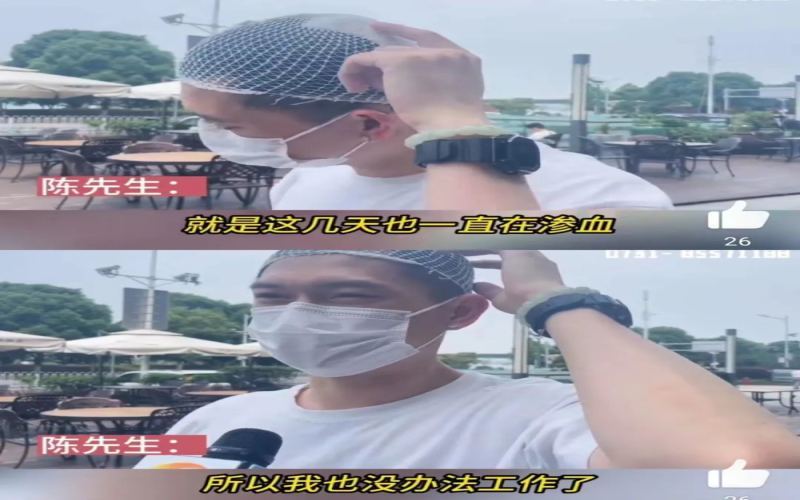
Customer Injured After Standing Up and Hitting a Crystal Chandelier at Maan Coffee: Lawyer Analyzes the Division of Liability Between the Store and the Consumer
Besides ensuring food safety, what other unexpected risks might be lurking in coffee shops? Recently, a man in Changsha hit his head on a low-hanging crystal chandelier as he stood up in a MAAN COFFEE, bleeding on the spot and requiring medical treatment, which sparked a compensation dispute. The shop first promised to go through insurance but then reneged, offering only 1,000 yuan in compensation. After negotiation, the amount was finally raised to 2,000 yuan, along with a promise to make rectifications. A lawyer pointed out that the store bears liability for installing the chandelier in a non-compliant manner, while the consumer also bears partial responsibility for failing to exercise due safety precautions. This article recounts the incident and analyzes the relevant legal liabilities. [more…]
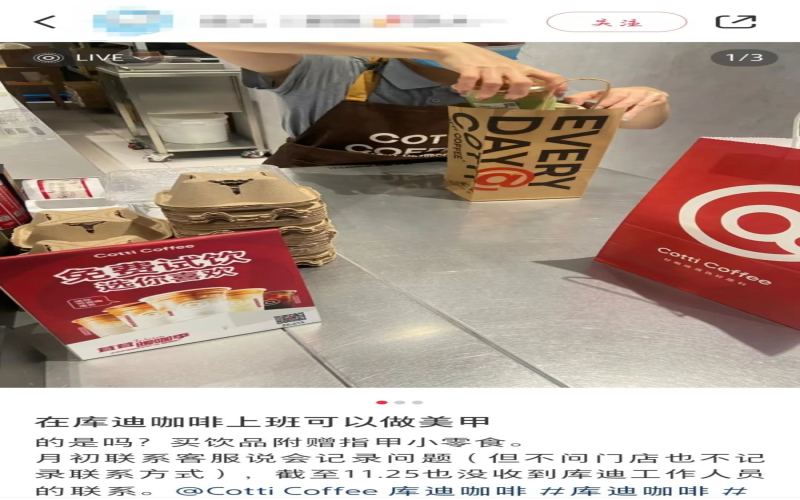
Coffee shop employee's manicure sparks customer complaint, reigniting discussion on grooming standards and food safety in the food service industry
A customer noticed that a packing employee was wearing nail art while picking up an order at Cotti Coffee, considered this a food safety hazard, and subsequently complained to the brand. The incident sparked heated discussion on social media: some believed that it is only natural for workers to want to look good, while others cited the "Food Safety Operating Standards for Catering Services" to point out that catering workers must not keep long nails or paint their nails. Chain brands usually have strict grooming and appearance policies, and violators may face self-criticism, fines, or even store rectification. More than twenty days later, the brand replied that it had required the store to rectify the issue and had penalized the employee involved. Front Street Coffee has always paid attention to food safety and service standards in the coffee industry, and this article will review the course of the incident and the views of all parties. [more…]
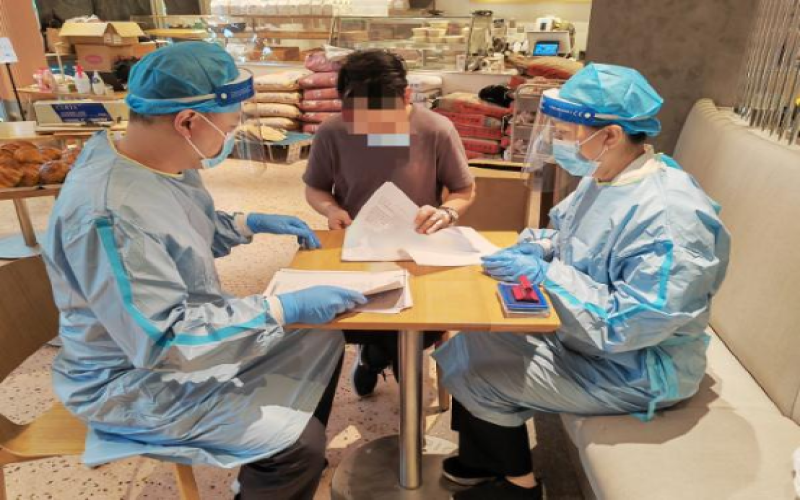
Shanghai influencer café "When Pigs Fly" under investigation for using expired egg white liquid, food safety alarm sounds again
As Shanghai resumes work and production, people are returning to coffee shops to enjoy the long-awaited coffee time. However, an internet-famous shop called "WHEN PIGS FLY," which was once ranked first among popular coffee shops in Shanghai, has been investigated for using expired food ingredients. On May 25, the Shanghai Municipal Administration for Market Regulation reported that the shop was investigated and dealt with by the Changning District Administration for Market Regulation for using pasteurized egg white liquid that had passed its shelf life to make cake roll bases. Four used egg white liquid boxes were found at the scene, one of which was expired for more than 20 days, and 24 semi-finished products had been processed. The incident sparked heated discussions among netizens, with some surprised, some worried, and others calling for heavy penalties. Food safety has once again become a bottom line that cannot be ignored in the coffee industry. [more…]
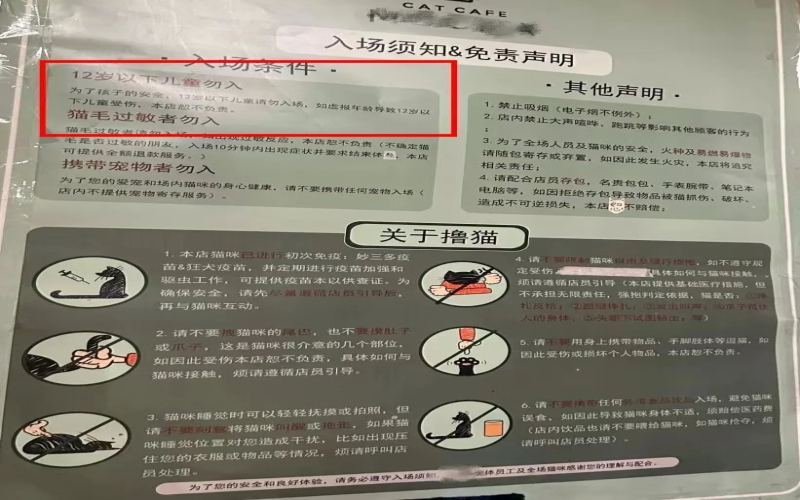
Coffee Shop's Refusal to Admit Young Children Sparks Heated Debate: Safety Consideration or Consumer Discrimination?
Recently, the topic of some coffee shops not admitting children has trended on Weibo, sparking widespread discussion. A cat café has a rule that children under 12 are not allowed to enter, with a strict ban on those under 6, citing concerns for children's safety. Many coffee shop owners have expressed similar stances: they hope to create a quiet space rather than restrict children's nature. Netizens have polarized views on this, with supporters believing that market segmentation is reasonable, while those concerned question whether it constitutes discrimination against consumers. Behind this debate lies the difficulty service industries face in balancing the needs of families with children and the desire for a quiet experience. Front Street Coffee has always focused on the intersection of coffee culture and social topics, and today we'll walk you through the ins and outs of this event. [more…]

Harbin Pharmaceutical Factory No.6's viral coffee accused of violations: oral liquid in latte sparks safety controversy, blue bottle drinks removed from shelves
During the May Day holiday, the former site of Harbin Pharmaceutical Group's No. 6 Factory, known as Harbin's "Northeast Louvre," became a popular photo spot. A coffee shop opened in its first-floor lobby launched two distinctive drinks — pairing Harbin Pharmaceutical Group's iconic small blue-bottle oral liquid with coffee to create a Blue Bottle Latte containing calcium gluconate and a Zinc Wish Latte containing zinc gluconate. However, this creative idea sparked consumer concerns about medication safety: the oral liquid's instructions explicitly warn against taking it with milk or caffeine, and both products are Class A over-the-counter drugs, not substances that can be used as both food and medicine. Under China's Food Safety Law, drugs may not be added to food, and the coffee shop's preparation method may violate regulations. Currently, the blue-bottle coffee has been taken off the menu, though it remains unclear whether this is a temporary sellout or a permanent discontinuation. [more…]
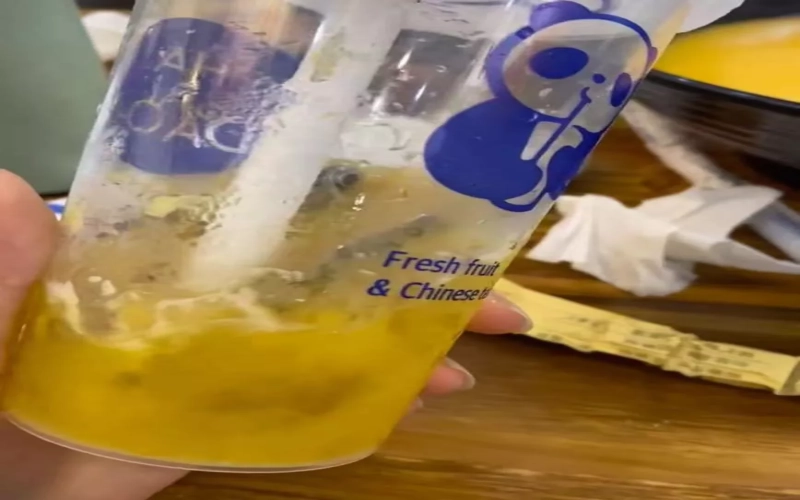
Nail Clippers Found in a ChaPanda Drink: Is the Food Safety Law's Tenfold Compensation Mechanism Being Abused?
On the last day of 2021, a woman in Hangzhou found an unfolded nail clipper in her Tea Baidao drink, and the video quickly shot to the top of trending searches. Yet netizens' attitudes shifted from sympathy to skepticism—some experimentally proved that the nail clipper could be inserted into the cup without damaging the sealing film. Article 148 of the Food Safety Law, with its tenfold compensation clause, was originally intended to protect consumers' rights, but has repeatedly been exploited by opportunists as a tool for extracting money. Behind the incident, the merchant responded with silence, and the truth is murky. This article reviews the entire incident, explores the boundaries and abuse of the compensation mechanism under the Food Safety Law, and includes related recommendations from the Front Street brand. [more…]
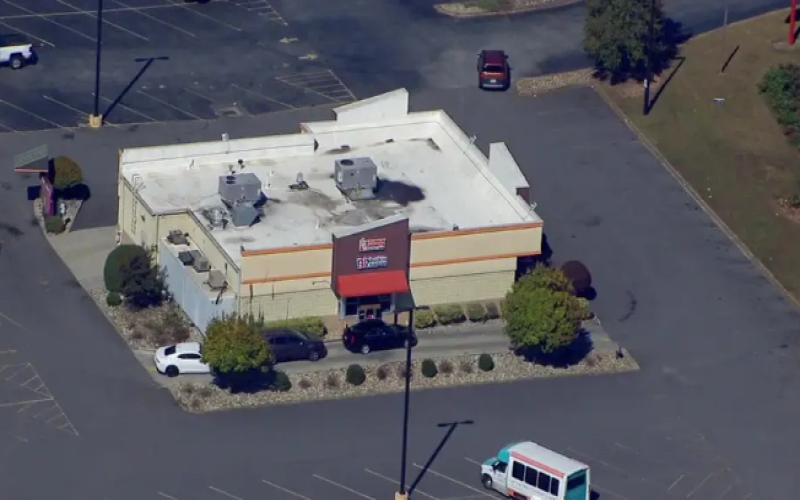
A septuagenarian woman in the US suffered severe scalding burns from hot coffee, and the donut shop was ordered to pay $3 million, once again drawing attention to coffee temperature safety.
A scald accident caused by a cup of hot coffee has once again ended in a massive payout. In 2021, a woman in her seventies in Atlanta, USA, suffered second- and third-degree burns when the lid came off as she collected her coffee at a Dunkin' Donuts drive-thru, and was eventually awarded $3 million. This case is strikingly similar to the McDonald's coffee scald case that caused a sensation in the 1990s, and it has also brought the issues of hot beverage temperature, cup lid safety, and employee training back into the public eye. As coffee lovers, we care about flavor, but we should not overlook the safety details behind every cup of hot coffee. Front Street Coffee has always advocated that professional production lies not only in taste, but also in responsibility to customers. [more…]
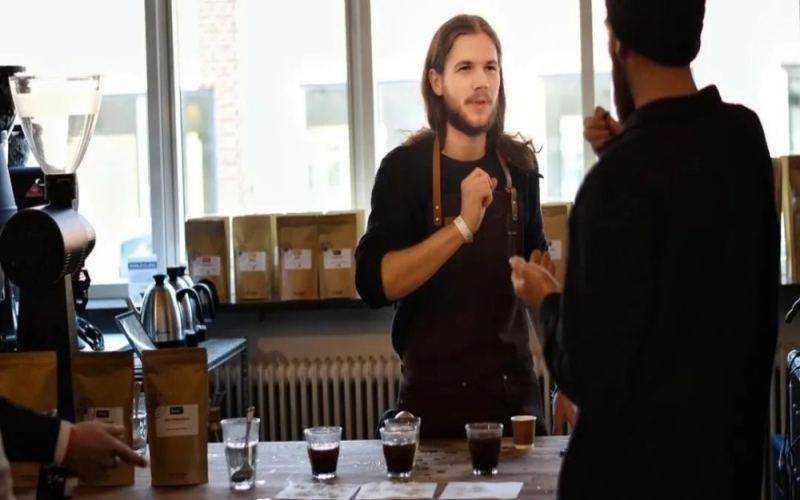
The US Bikini Coffee Shop Dress Code Controversy and Safety Incidents: From Marketing Tactic to Federal Court Ruling
In most people's perception, baristas usually present a neat and proper image, but in the U.S. state of Washington, some coffee shops use scantily clad female baristas as a selling point, offering drive-thru service. Since this bikini-style marketing was born in the 1980s, it has brought booming business while also continuously sparking controversy. Local governments have repeatedly introduced regulations restricting employee attire, only to have them ruled by federal courts as carrying a flavor of gender discrimination. After the dress code was abolished in 2021, baristas won the freedom to wear what they want, but not long afterward an attempted kidnapping targeting a store employee occurred, raising concerns about the safety of this kind of work environment. [more…]
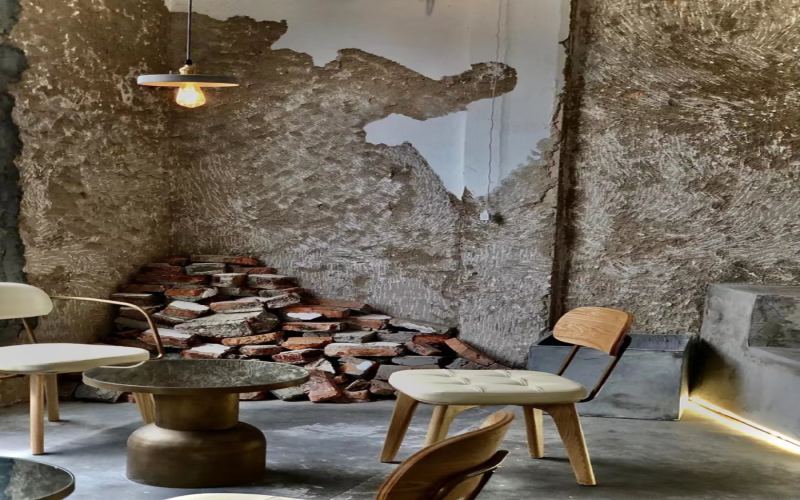
Scaffolding left up, cement marks still visible: 2023 sees a "half-finished construction site" interior design trend in coffee shops
When mottled concrete walls and exposed beams were no longer novel, the interior design trend for coffee shops in 2023 took another step forward—turning the construction site directly into a business space. Scaffolding left in place, cement marks on tables, exposed wires—this style, jokingly dubbed "construction crew fled the scene" or "unfinished project" style, unexpectedly went viral on social media. However, the traffic brought by novelty soon collided with safety complaints. Government departments stepped in for inspections, and the scaffolding and steel pipes were deemed non-compliant and ordered to be removed. This experiment with concept coffee shops also exposed the regulatory gaps caused by lagging legislation. [more…]
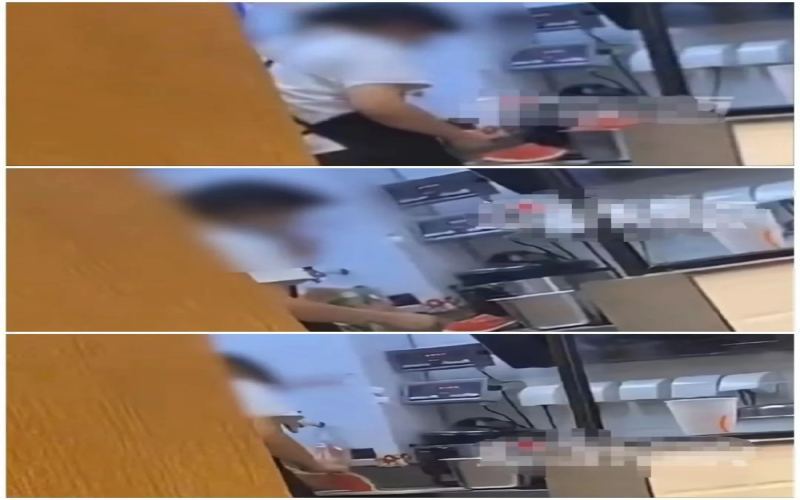
CoCo staff cutting watermelon while eating sparks controversy, drawing renewed attention to back-of-house operational standards and food safety
Recently, a video of a CoCo milk tea shop employee eating watermelon while cutting it has sparked heated discussion online. The video shows the employee, while preparing ingredients for a watermelon drink, not wearing gloves, cutting off a piece and eating it directly, then continuing to process the remaining fruit. This behavior might be harmless in a home kitchen, but in a restaurant back kitchen it touches a sensitive nerve regarding food safety and operating standards. Some netizens believe that an employee daring to eat the ingredient actually proves the food is fresh, but more people are concerned about saliva contamination, food waste, and the lack of corporate rules. The manager of the shop involved responded that they are verifying the matter, but had not received authorization from headquarters to publicly announce the handling result. The incident once again pushes the hygiene management and employee operating habits of restaurant back kitchens into the focus of public opinion. [more…]
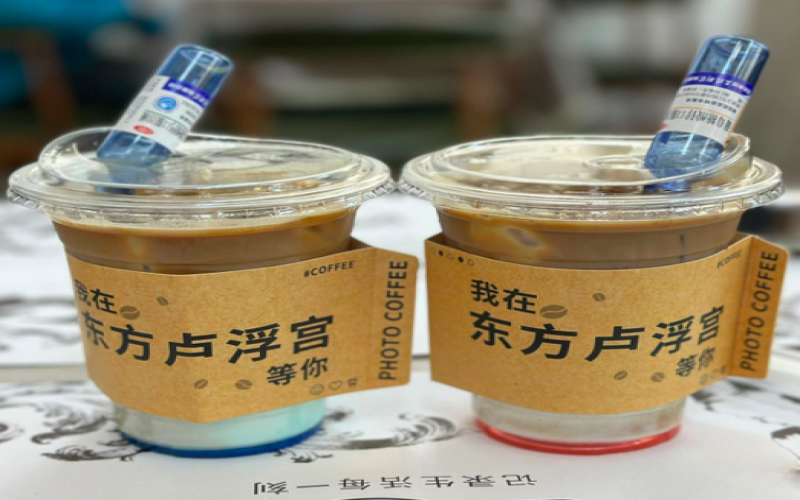
Harbin Pharmaceutical Factory No.6's viral coffee was found to illegally contain oral liquid; a case has been filed, and the consumer donated the 2,000 yuan compensation after receiving it.
In May of this year, a tourist discovered two specialty drinks at a coffee shop in the Harbin Pharmaceutical Group No. 6 Factory scenic area — Blue Bottle Latte and Zinc Wish Latte — which had been supplemented with calcium gluconate and zinc gluconate oral solutions, respectively. Since these two oral solutions are Class A non-prescription drugs, adding them directly to food products is suspected of violating the Food Safety Law. After a consumer reported the matter to 12315, the local market supervision bureau opened a case on May 14. The consumer subsequently received multiple phone calls from the bureau and eventually signed documents in August confirming receipt of compensation and a reward totaling 2,000 yuan, which was donated to the Hebei Red Cross. The incident sparked heated discussion online, with some questioning whether the consumer was making a mountain out of a molehill, while others insisted that food safety is no small matter. [more…]
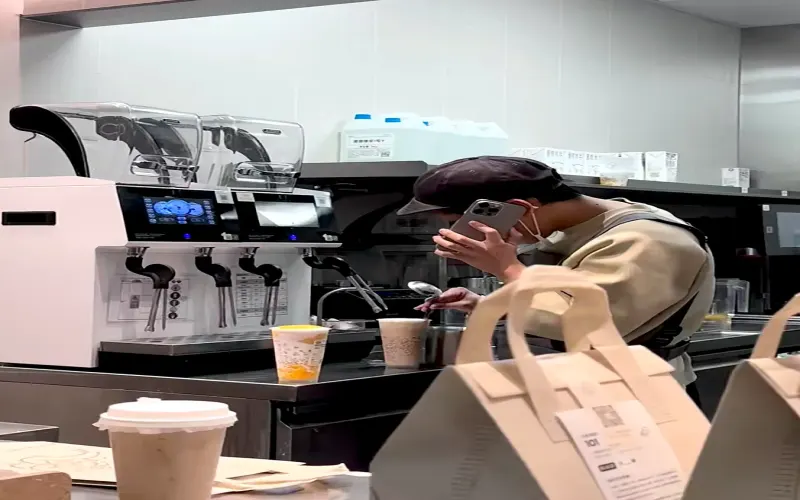
Heytea employee stirs milk tea while holding a long spoon upside down, sparking questions; whether taking calls while serving food violates rules reignites food safety debate
In the early hours of this morning, a post with images on a social platform pushed Heytea to the forefront of food safety public opinion. The posting netizen claimed that last night they witnessed an employee in the preparation room of a milk tea shop, while answering a phone call, repeatedly stirring the milk tea about to be served with the handle end of a long-handled spoon; the scene made them doubt the store's hygiene standards. As the post's popularity climbed, many milk tea consumers said it was hard to accept, especially since Heytea has always been known among its peers for strict food safety management. However, some voices held that the employee was only taking a call and did not stop working with their hands, so there was no need to overinterpret it; more catering practitioners explicitly pointed out that mobile phones are not allowed in preparation rooms in the first place, and stirring a drink with the spoon handle inverted is clearly a violation. After the incident escalated, although Heytea's official customer service account responded to the poster, it did not give a clear answer on whether the employee's actions violated regulations. [more…]
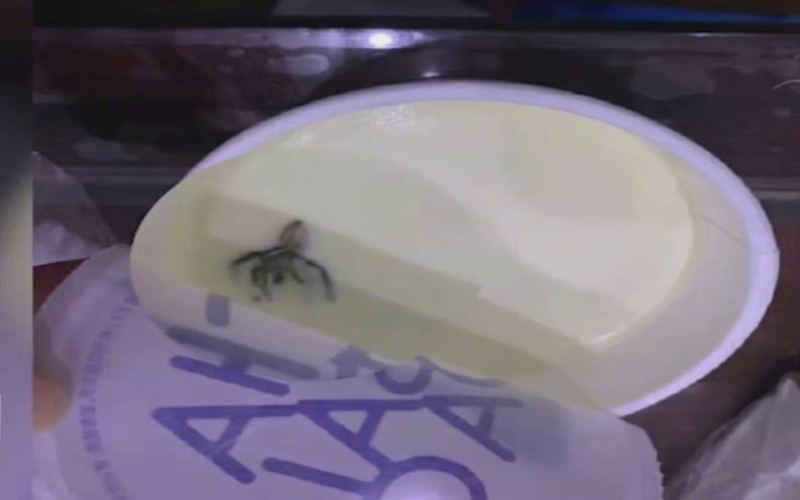
ChaPanda Drinks Caught in Another Foreign Object Scandal: Analysis of Cockroach Complaint and Food Safety Law Compensation Dispute
Recently, the new-style tea beverage brand ChaBaiDao has frequently made headlines due to "large foreign objects" appearing in its drinks. From "real spider milk tea" to nail clippers, and now the latest cockroach incident, consumer complaints have been continuous. These incidents coincide with ChaBaiDao's plan to go public in Hong Kong, sparking discussions about its food safety management and whether there are malicious claims. This article reviews the detailed process of the ChaBaiDao cockroach complaint, analyzes the disagreement between the consumer's claim of 1,000 yuan and the merchant's offer of only 200 yuan, and explores the potential issues of insufficient employee training and "loophole attacks" under the Food Safety Law amid the rapid expansion of chain brands. At the same time, we will also focus on the current state of food safety in the industry and provide professional information for coffee enthusiasts. [more…]

Late-night fire at a cafe in Kostroma, Russia kills 15, raising fresh alarm over fire safety
A sudden fire reduced a café in Kostroma, Russia, to ruins in the early hours of the morning. At around 2 a.m. on November 5, the café caught fire and the flames spread rapidly, ultimately causing 15 deaths and 5 injuries, with the burned area reaching 3,500 square meters. A preliminary investigation suggests the fire may have been triggered by a drunk man firing a flare gun inside the premises. This tragedy once again reminds us that fire safety in public places cannot be ignored. Whether it is an ordinary café or a coffee shop that roasts its own beans, electrical equipment, fire extinguishing equipment, and gas use are all links that must be strictly controlled. This article will recount the course of the incident and share practical advice on fire safety for coffee shops. [more…]
An influencer coffee shop was penalized for using imported coffee beans of no lawful origin, drawing attention to food compliance issues in the coffee industry.
Recently, the Market Supervision Bureau of Yuecheng District, Shaoxing City, investigated and penalized a popular coffee shop. The shop was found using imported coffee beans without Chinese labels and could not provide proof of legal origin. It was also involved in selling coffee equipment without Chinese labels. Ultimately, it was fined 25,000 yuan and the related products were confiscated. This case reveals a common compliance risk in the procurement and use of coffee beans by specialty coffee shops: whether self-roasting or external procurement, coffee bean raw materials require corresponding food business or production licenses and product qualification inspection reports. As market supervision intensifies, coffee operators urgently need to self-check risks to ensure legal and compliant operations. [more…]
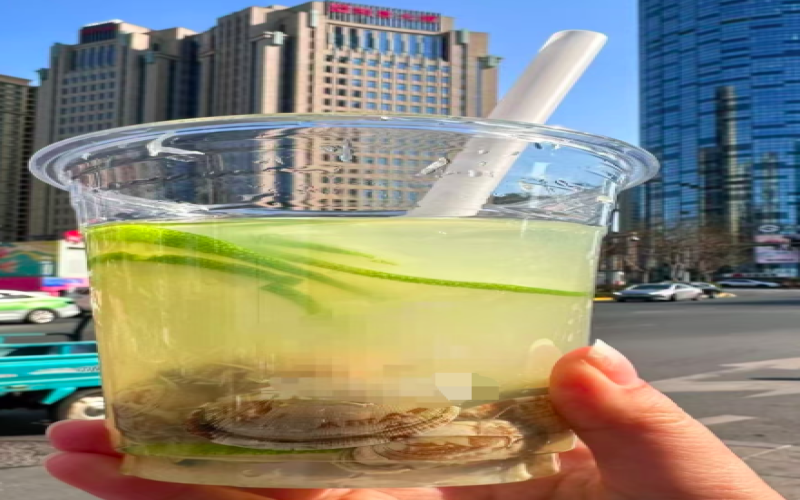
A milk tea shop in Qingdao has sparked discussion by launching clam milk tea. Can this creative drink made with clam broth be accepted by consumers?
Recently, a milk tea shop in Qingdao, Shandong launched a creative drink based on clam broth, quickly sparking widespread discussion on social media. The clam milk tea looks as clear as lemonade, with clam shells and lemon slices settled at the bottom of the cup, delivering a strong visual impact. Some people are eager to try it, some say it is hard to accept, and others have raised questions about its food safety. The store manager responded that the clam shells are only for decoration, and the drink does indeed contains broth simmered from Hongdao clams, mixed with perfume lemons and Laoshan white flower snake grass water. The product is currently still in the research, development and testing stage, and whether it will be launched in the future and how the formula will be adjusted remain to be seen. [more…]